


Product Introduction
The ECNITY 150mm plastic centrifugal blower require direct DC power input, typically 12V, 24V, or 48V, supplied via adapters or DC distribution systems. While voltage stability is critical for consistent performance, DC power offers clear advantages in renewable energy and off-grid applications, enabling flexible mobile ventilation solutions.
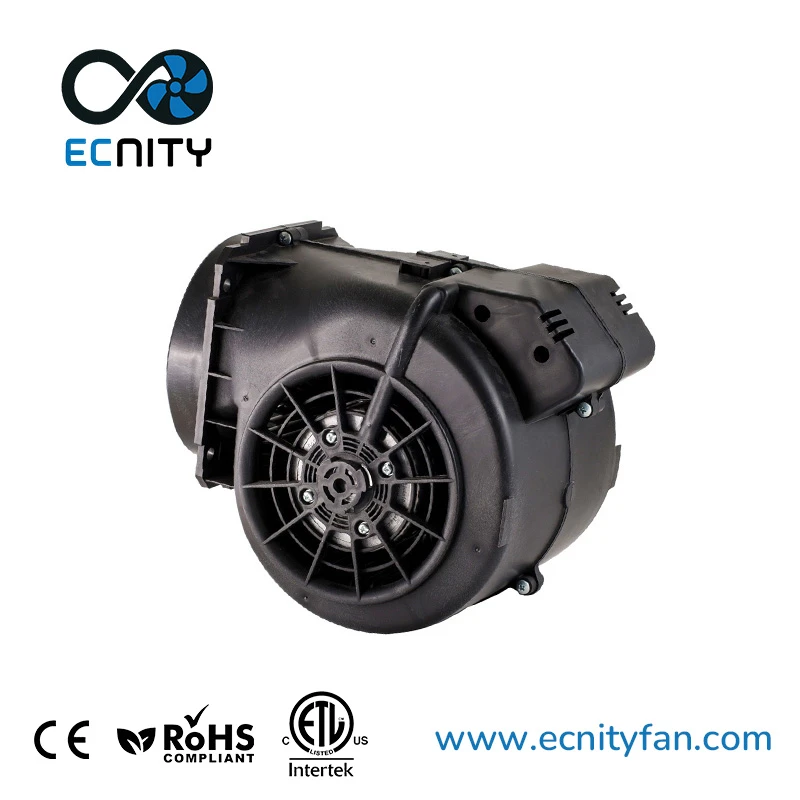
150mm plastic centrifugal blower technical parameters:
|
Model No. |
Rated |
Operation Voltage |
Rated |
Rated |
Rated |
Air Flow |
Air |
Noise |
|
VDC |
VDC |
A |
W |
RPM |
m3/h |
Pa |
dBA |
|
|
EN-D150-H150-D024-B01 |
24 |
18~32 |
6.40 |
154 |
1750 |
860 |
500 |
56 |
|
EN-D150-H150-D048-B01 |
48 |
36~57 |
3.20 |
154 |
1750 |
860 |
500 |
56 |
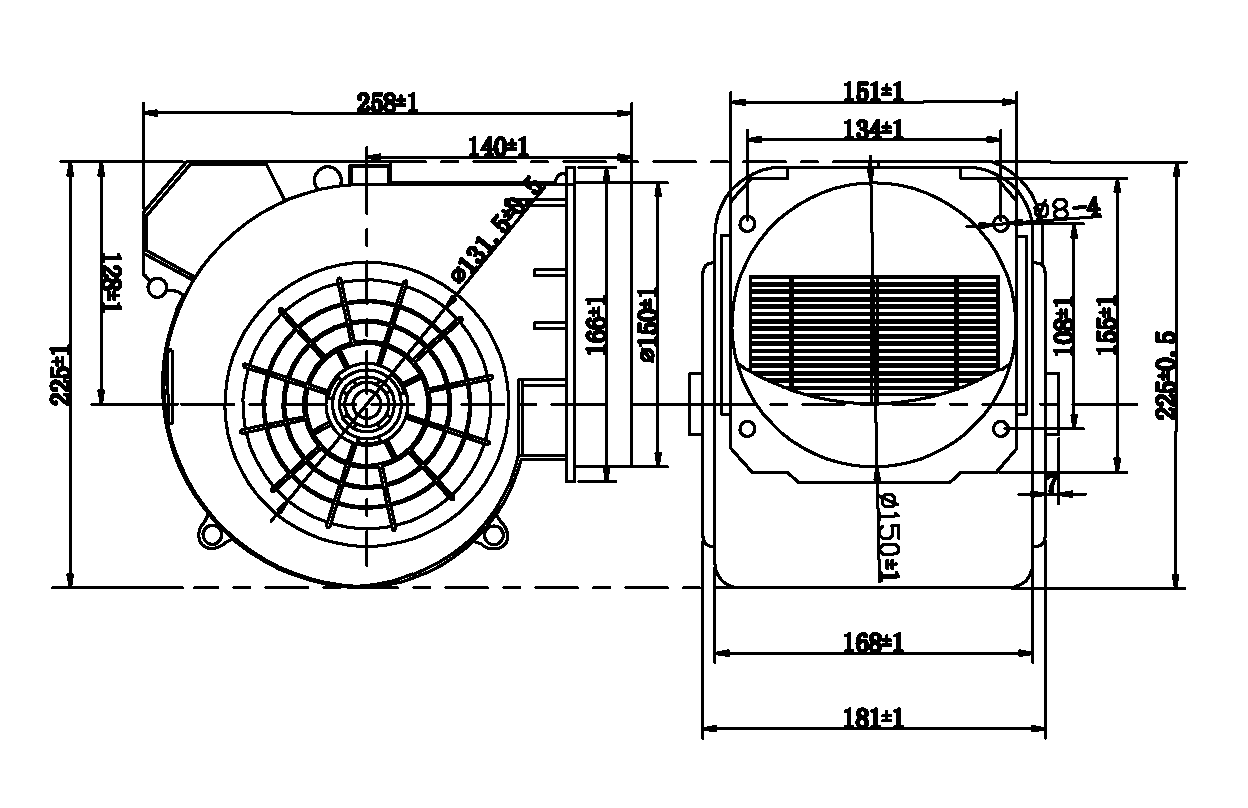
Outline Drawing:
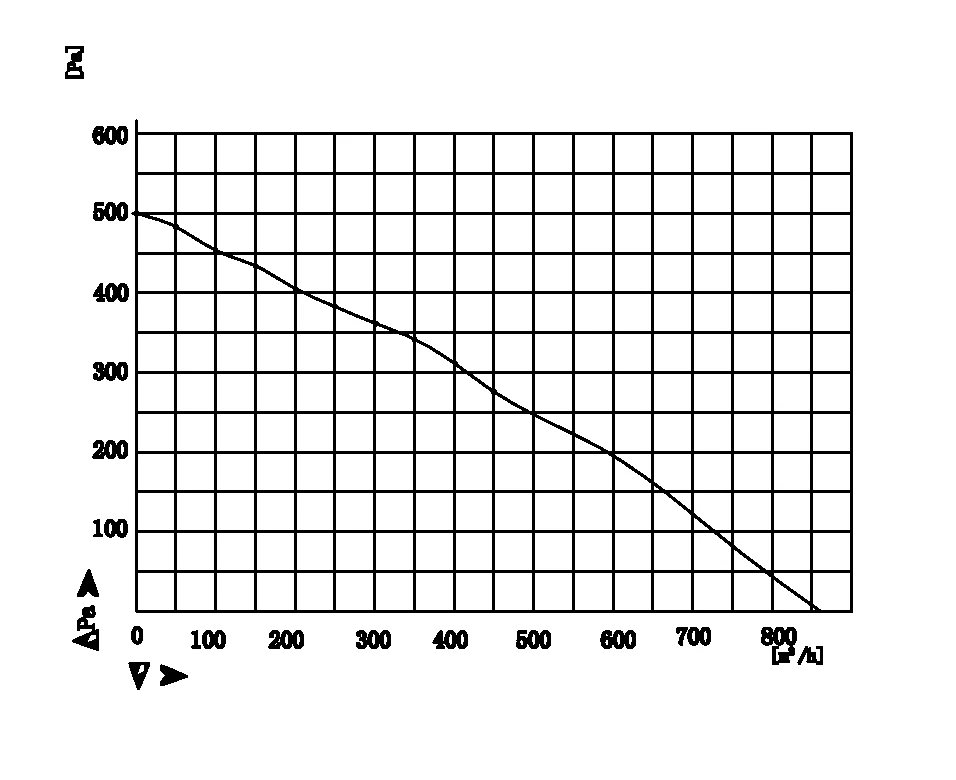
Performance Curve
Connection
|
DC Wire |
AC Wire |
||
|
Color |
Function |
Color |
Function |
|
Red |
+10VDC |
Brown |
L |
|
Blue |
GND |
Blue |
N |
|
Yellow |
0~10VDC/PWM |
Green/Yellow |
PE |
|
White |
FG |
||
The ECNITY 150mm plastic centrifugal blower innovation centers on brushless technology, lightweight design, and durability. Brushless models increasingly replace brushed versions, narrowing the performance gap with EC models through senseless vector control. Advanced lightweight materials, improved sealing, and higher-quality bearings extend service life and reduce maintenance. Cost-effective intelligent control modules are also being introduced, enabling basic speed regulation and fault alerts, further enhancing value and application versatility.
The ECNITY plastic centrifugal blower noise levels vary by type. Brushless DC models typically operate at 45–60 dB(A), suitable for residential and small commercial use. Brushed DC models generate higher noise levels (55–70 dB(A)) due to brush friction, making them better suited for industrial auxiliary ventilation. Overall, DC models remain quieter than traditional AC blowers and can be further silenced with acoustic insulation.

Our factory


FAQ
1. What role does documentation play in long-term reliability?
Documentation supports correct installation and operation. Clear instructions reduce misuse risks. Technical documentation also aids maintenance. Proper documentation improves long-term reliability.
2. How can buyers evaluate EC fan quality before purchase?
Buyers can review technical specifications and performance data. Supplier experience and references are also important. Sample testing may be considered. Evaluation reduces procurement risk.
3. Why are EC fans considered a low-risk long-term solution?
EC fans combine high efficiency with stable control. Reduced mechanical wear improves durability. Integrated protection minimizes failure risk. These factors make EC fans suitable for long-term projects.