


As a trusted supplier of EC Centrifugal Air Movers, I often get asked about how these remarkable devices perform in cold weather conditions. In this blog, I'll delve into the intricacies of EC Centrifugal Air Movers and their behavior when the temperature drops.
Understanding EC Centrifugal Air Movers
Before we discuss their performance in cold weather, let's briefly understand what EC Centrifugal Air Movers are. EC stands for Electronically Commutated, which refers to the type of motor used in these fans. Unlike traditional AC motors, EC motors are more energy - efficient, have better speed control, and are known for their reliability.
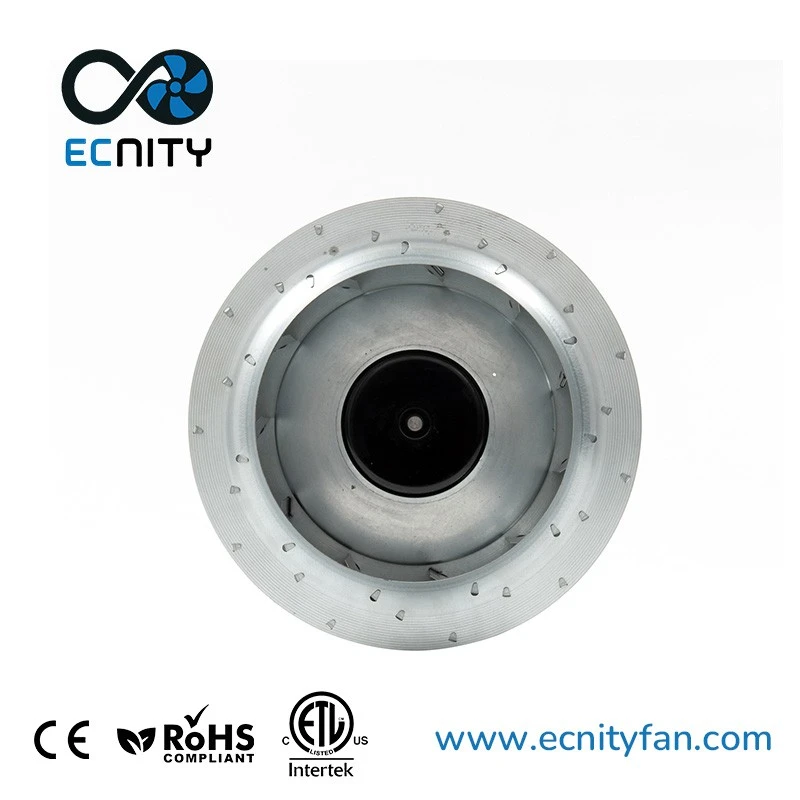
EC Centrifugal Air Movers work by drawing air into the center of the fan and then expelling it at a 90 - degree angle through the outlet. This design allows them to generate high pressure and move large volumes of air in a relatively small space. They are commonly used in ventilation systems, industrial processes, and even in some home applications.
There are different types of EC Centrifugal Air Movers available on the market. For example, the EC Smart Ventilation Fan is designed to provide intelligent ventilation solutions. It can adjust its speed based on environmental conditions, making it highly efficient. Another popular option is the EC Energy Efficient Centrifugal Fan, which offers significant energy savings over traditional fans. And the EC Backward Curved Blade Centrifugal Fans are known for their high - efficiency performance and quiet operation.
Performance in Cold Weather
Air Density and Performance
One of the key factors that affects the performance of an EC Centrifugal Air Mover in cold weather is air density. Cold air is denser than warm air. According to the ideal gas law, as the temperature decreases, the density of the air increases, assuming the pressure remains constant.
When the air is denser, the fan has to work harder to move the same volume of air. The power consumption of the EC motor may increase slightly because it needs to overcome the increased resistance caused by the denser air. However, due to the efficiency of EC motors, this increase in power consumption is relatively small compared to traditional AC motors.
The increased density of cold air can also have a positive effect on the pressure generated by the fan. Since the fan is moving a more massive amount of air, the static pressure and the total pressure generated can be higher. This means that the EC Centrifugal Air Mover may be able to push air through ductwork or into areas with more resistance more effectively in cold weather.
Lubrication and Mechanical Components
The cold weather can also impact the lubrication and mechanical components of the fan. Most EC Centrifugal Air Movers are designed with high - quality lubricants that are suitable for a wide range of temperatures. However, extremely cold temperatures can cause the lubricants to thicken, which may increase friction in the bearings and other moving parts.
To mitigate this issue, it's important to choose fans that are specifically designed for cold - weather operation. Some manufacturers use special low - temperature lubricants that maintain their viscosity and lubricating properties even in sub - zero temperatures. Additionally, the design of the fan's mechanical components can be optimized to minimize the effects of cold - thickened lubricants.
Motor Performance
The EC motor's performance in cold weather is generally quite good. EC motors are more efficient than AC motors because they use a more advanced electronic control system. This system allows the motor to adjust its speed and power consumption based on the load and environmental conditions.
In cold weather, the motor may operate more efficiently because the cooler air can help dissipate heat generated during operation. Heat is one of the main factors that can reduce the efficiency and lifespan of a motor. Since the ambient temperature is lower, the motor doesn't have to work as hard to stay within its optimal operating temperature range.

However, it's important to note that extremely cold temperatures can affect the battery performance if the EC Centrifugal Air Mover is battery - powered. The chemical reactions in the battery slow down in cold weather, which can reduce the battery's capacity and output voltage.
Condensation
Condensation is another issue that can arise in cold weather. When warm, moist air comes into contact with the cold surfaces of the fan, water vapor can condense and form droplets. This can be a problem if the water gets into the motor or other electrical components, as it can cause short circuits or corrosion.
To prevent condensation, some EC Centrifugal Air Movers are designed with special coatings or materials that resist moisture. Additionally, proper installation and ventilation can help reduce the risk of condensation. For example, ensuring that the fan is installed in a well - ventilated area and that there is a proper air gap around the fan can help prevent the buildup of moist air.
Applications in Cold Weather
Industrial Settings
In industrial settings, EC Centrifugal Air Movers are often used for ventilation and air circulation. In cold weather, they can help maintain a consistent temperature and air quality in large warehouses, factories, and other industrial facilities. For example, in a cold storage warehouse, the fans can prevent the formation of cold spots and ensure that the temperature is evenly distributed.
The high - pressure capabilities of EC Centrifugal Air Movers make them ideal for pushing air through long ductwork, which is common in industrial ventilation systems. Even in cold weather, when the air is denser, these fans can still provide sufficient airflow to meet the ventilation requirements.
Commercial Buildings
In commercial buildings such as offices, shopping malls, and hotels, EC Centrifugal Air Movers play an important role in maintaining a comfortable indoor environment. In cold weather, they can be used to supplement the heating system by distributing warm air more effectively throughout the building.
The energy - efficiency of EC motors is especially beneficial in commercial buildings, as it can help reduce energy costs. The ability of these fans to adjust their speed based on the demand also allows for more precise control of the indoor climate.
Home Use
In residential settings, EC Centrifugal Air Movers can be used for a variety of purposes in cold weather. For example, they can be used to circulate warm air from a heater or furnace throughout the house, helping to eliminate cold spots and improve overall comfort.
Some homeowners also use these fans in their basements or attics to prevent moisture buildup and mold growth. The high - pressure output of the fans can push air through small spaces and ensure proper ventilation, even in cold and damp conditions.
Maintenance in Cold Weather
To ensure the optimal performance of EC Centrifugal Air Movers in cold weather, regular maintenance is essential. Here are some maintenance tips:
- Inspect Lubrication: Check the lubrication levels of the bearings and other moving parts. If the lubricant has thickened, it may need to be replaced with a low - temperature lubricant.
- Check for Condensation: Regularly inspect the fan for signs of condensation and moisture. If condensation is present, take steps to improve ventilation and prevent further moisture buildup.
- Clean Filters: Clean or replace the filters regularly to ensure proper airflow. Clogged filters can reduce the efficiency of the fan and cause it to work harder.
- Inspect Electrical Components: Check the electrical components of the fan, including the wiring, motor, and control system, for any signs of damage or corrosion.
Conclusion
EC Centrifugal Air Movers generally perform well in cold weather conditions. While there are some challenges such as increased air density, lubrication issues, and condensation, these can be effectively managed through proper design, installation, and maintenance.
Their energy - efficiency, high - pressure capabilities, and reliable performance make them a great choice for a wide range of applications in cold weather, from industrial settings to home use. If you're in the market for an EC Centrifugal Air Mover and want to ensure its performance in cold conditions, we're here to help. Contact us to discuss your specific requirements and let's find the perfect solution for you.
References
- "Centrifugal Fan Handbook" by Carrier Corporation
- "Motor Systems Energy Efficiency" by United Nations Industrial Development Organization
- Industry whitepapers on EC motor technology and centrifugal fan performance