


Adjusting the pitch of the blades of an EC axial fan is a crucial process that can significantly impact the fan's performance. As a leading supplier of EC axial fans, we understand the importance of this adjustment and are here to guide you through the process.
Understanding the Basics
Before delving into the adjustment process, it's essential to understand what blade pitch is and why it matters. The pitch of a fan blade refers to the angle at which the blade is set relative to the plane of rotation. A higher pitch means the blade will move more air per revolution, but it also requires more power to turn. Conversely, a lower pitch moves less air but uses less power.

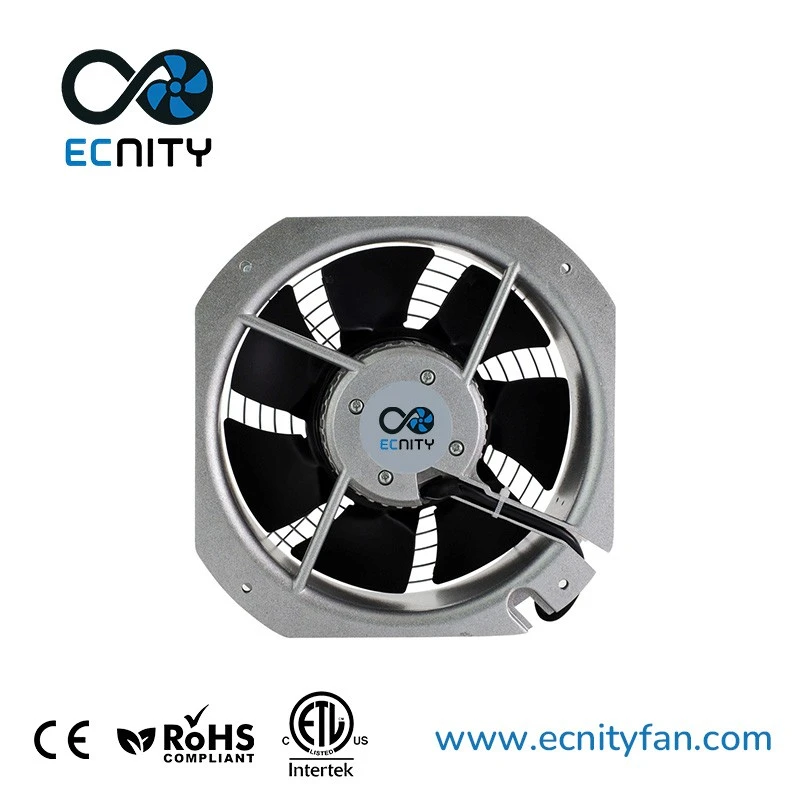
The pitch of the blades directly affects the fan's airflow, pressure, and efficiency. By adjusting the pitch, you can optimize the fan's performance for specific applications. For example, in a ventilation system where high airflow is required, a higher pitch might be more suitable. On the other hand, in an application where energy efficiency is a priority, a lower pitch could be the better choice.
Tools Required
To adjust the pitch of the blades of an EC axial fan, you will need a few basic tools:
- Pitch gauge: This tool is used to measure the pitch of the fan blades accurately. It is essential for achieving consistent results.
- Screwdriver: Depending on the fan design, you may need a screwdriver to loosen and tighten the screws that hold the blades in place.
- Safety equipment: Always wear safety glasses and gloves to protect yourself during the adjustment process.
Step-by-Step Guide to Adjusting Blade Pitch
- Power off the fan: Before starting any work on the fan, ensure that it is completely powered off. This will prevent any accidental start - up that could cause injury.
- Remove the fan cover: Most EC axial fans have a cover that protects the blades. Carefully remove this cover using the appropriate tools.
- Locate the blade adjustment mechanism: Different fans may have different adjustment mechanisms. Some fans have adjustable blades that are held in place by screws, while others may have a more complex system. Refer to the fan's user manual to identify the adjustment mechanism.
- Measure the current pitch: Use the pitch gauge to measure the current pitch of the blades. This will give you a baseline for the adjustment and help you ensure that all blades are set at the same pitch.
- Make the adjustment: Loosen the screws or adjust the mechanism to change the pitch of the blades. Turn the blades to the desired angle, using the pitch gauge to ensure accuracy. Make sure to adjust all blades to the same pitch to ensure balanced performance.
- Tighten the screws: Once you have set the blades to the correct pitch, tighten the screws or secure the adjustment mechanism. This will prevent the blades from moving during operation.
- Reassemble the fan: Put the fan cover back on and ensure that it is properly secured.
- Test the fan: Power on the fan and observe its performance. Check the airflow, pressure, and noise level. If the performance is not satisfactory, you may need to make further adjustments.
Factors to Consider
- Application requirements: Consider the specific requirements of your application when adjusting the blade pitch. For instance, in a EC Axial Fan for HVAC system, the pitch may need to be adjusted to provide optimal air circulation and temperature control.
- Fan speed: The pitch of the blades should be compatible with the fan's speed. A higher pitch may not work well at low speeds, as it can cause the motor to overload.
- Energy efficiency: If energy efficiency is a priority, aim for a pitch that provides the required airflow with the lowest power consumption. Our EC Energy Efficient Axial Fan is designed to offer high performance with minimal energy usage.
Troubleshooting
- Uneven airflow: If you notice uneven airflow, it could be due to inconsistent blade pitch. Check the pitch of all blades and make sure they are set correctly.
- Excessive noise: Excessive noise can be a sign of incorrect blade pitch or a problem with the fan's balance. Re - check the pitch and ensure that the blades are properly installed.
- Poor performance: If the fan is not providing the expected airflow or pressure, the pitch may need to be adjusted further. Refer to the fan's performance curves in the user manual to determine the optimal pitch.
Importance of Professional Installation and Adjustment
While adjusting the pitch of the blades of an EC axial fan can be done by following the steps above, it is often recommended to have a professional perform the adjustment. A professional has the experience and knowledge to ensure that the adjustment is done correctly, which can prevent damage to the fan and ensure optimal performance.
At our company, we offer professional installation and adjustment services for our EC Axial Fan with Wall Ring and other EC axial fan products. Our team of experts can help you select the right fan for your application and ensure that it is installed and adjusted to meet your specific needs.
Contact Us for Your EC Axial Fan Needs
If you are in the market for high - quality EC axial fans or need assistance with blade pitch adjustment, we are here to help. Our extensive range of products, including EC Axial Fan with Wall Ring, EC Axial Fan for HVAC, and EC Energy Efficient Axial Fan, is designed to meet the diverse needs of our customers.
Whether you are looking to optimize the performance of your existing ventilation system or install a new one, our team of experts can provide you with the guidance and support you need. Contact us today to start a discussion about your requirements and explore how our products can benefit your project.
References
- Fan Engineering Handbook, various editions.
- Manufacturer's manuals for EC axial fans.